
Limitless

This Book Is for You If…
✔ You’ve believed you have a bad memory or struggle to retain what you learn.
✔ You want to feel more capable and confident in how your mind works.
✔ You’re ready to replace self-judgment with practical tools.
Reading this reminded me that many of the limits we live with aren’t real limitations at all—they’re simply skills we were never taught.
Unlocking What’s Always Been Possible
Book Review & Reflection by Lindsay Smith, LCSW
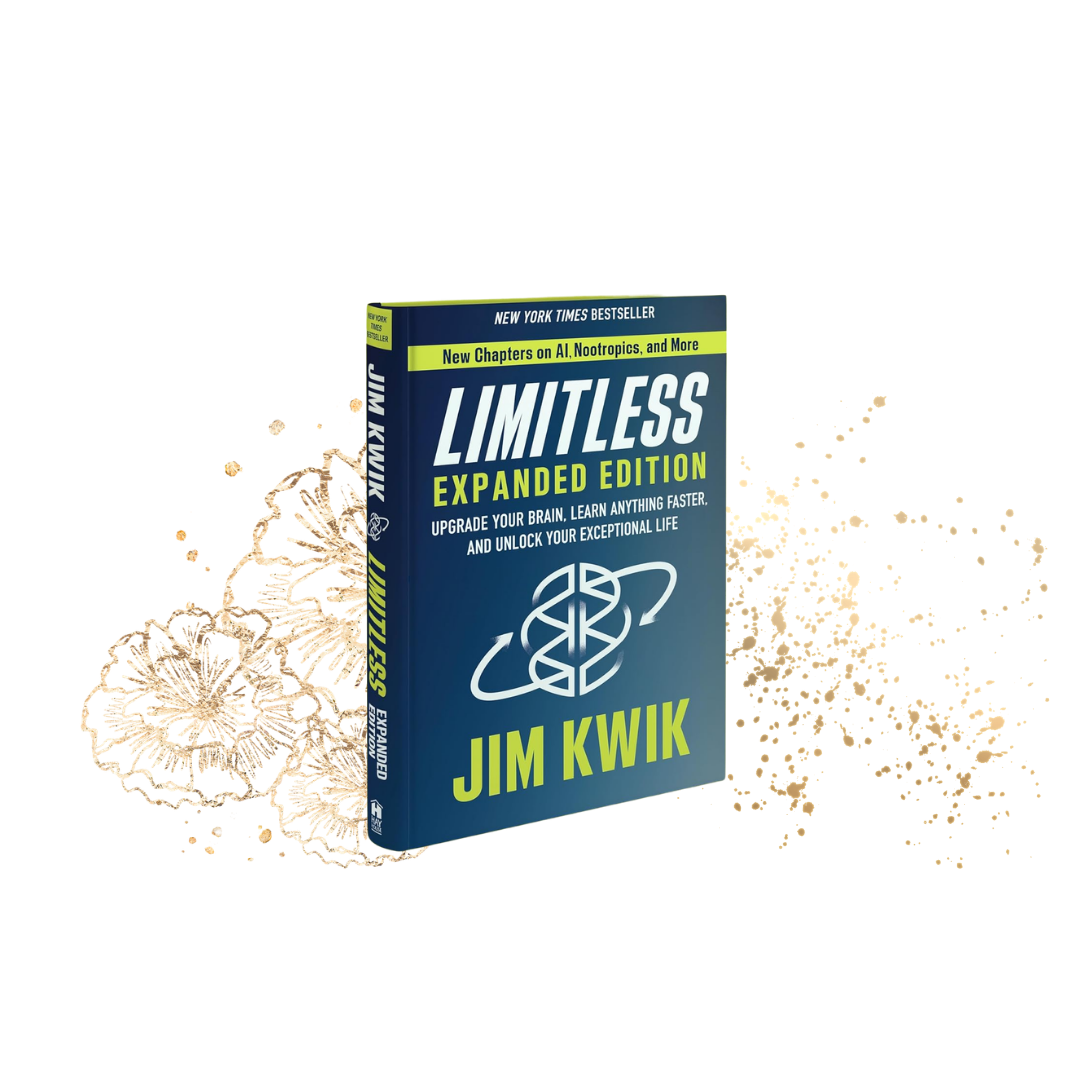
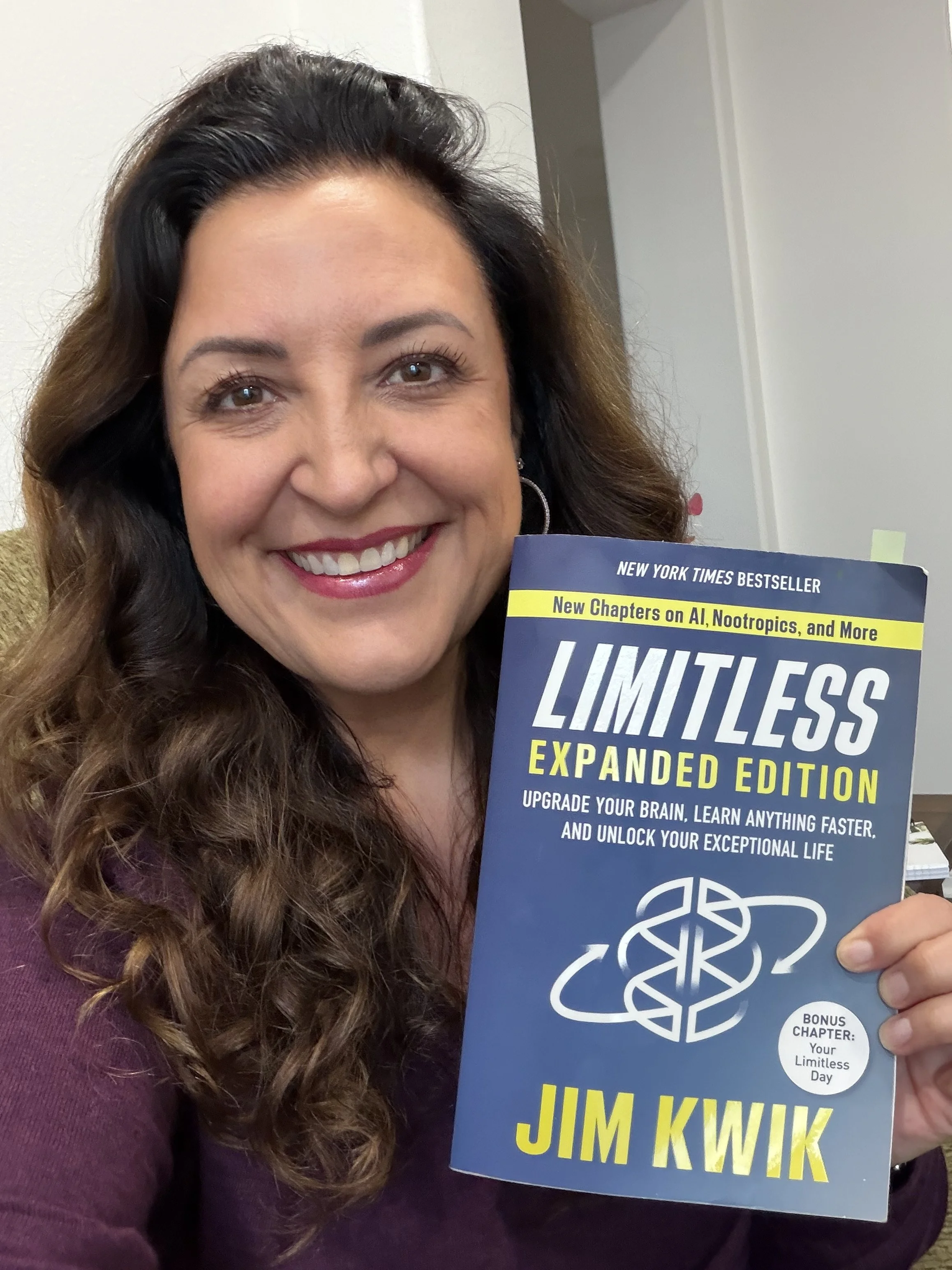
Limitless: Upgrade Your Brain, Learn Anything Faster, and Unlock Your Exceptional Life (Expanded Edition)
by Jim Kwik
Mood of the Book:
Empowering, Practical, Expansive
5 Gems to Fuel Growth…


Many of our limits are learned, not fixed.
The shift I needed: What feels like a personal limitation is often just a skill we were never taught, and skills can be learned.
For most of my life, I believed I had a “bad memory.” Even before my car accident, remembering names, details, or information felt harder for me than it seemed to be for others. I assumed that was just how my brain worked. And every time I forgot something, that belief reinforced itself.
What this book helped me see is how much harm those beliefs can do. Forgetting something isn’t the real issue. The meaning we assign to it is. When we tell ourselves we’re incapable, we stop looking for better methods and stop expecting improvement. Over time, we end up living inside a limitation that was never actually permanent.
Learning that memory is a trainable skill, not a personality trait, was incredibly freeing. Once we shift from “I’m bad at this” to “I haven’t learned how to do this yet,” curiosity replaces judgment. Practice replaces shame. And capacity begins to grow.

Belief shapes what the brain is able to retain.
The shift I needed: The beliefs we hold about our abilities influence our capacity more than any single mistake or lapse.
One of the most impactful insights in this book is how strongly belief affects learning. When we forget something and respond with “I have a bad memory,” that belief does far more damage than the forgetting itself. It narrows possibility and trains the brain to expect failure.
What I’m learning to do instead is respond with compassion and curiosity: That didn’t stick, so what method might help it stick next time? That small shift keeps the door open. It preserves confidence and allows learning to stay flexible and alive.
As I’ve started approaching memory this way, my confidence has grown. Each small win, remembering a name, recalling details, applying a technique, becomes evidence that my brain is capable of more than I used to believe. Not because it suddenly changed, but because my relationship with it did.

Methods matter.
The shift I needed: When we use the right methods, learning becomes easier, more enjoyable, and far more effective.
For years, I relied on effort and motivation to learn. I cared deeply and tried hard, but I didn’t have the right tools (and I didn't even know I was missing them). This book made something very clear: effort without strategy leads to frustration, while methods create momentum.
The biggest game changer for me has been creating visual images and tying those images to what I want to remember. When I turn information into pictures and associations, it sticks in a way it never did before. I’ve been genuinely amazed at what I can now recall using the techniques Jim teaches.
This has rebuilt trust in my mind. Not because learning is effortless, but because it’s finally working with how the brain learns instead of against it. When we learn how to learn, everything shifts.

Small, simple steps create lasting change.
The shift I needed: Consistency matters more than intensity, and small steps are often the most powerful ones.
This book reinforced something I believe deeply but still need reminders of: lasting change doesn’t come from big overhauls. It comes from small, repeatable actions that feel doable.
When learning feels overwhelming, breaking it into small steps lowers resistance and builds confidence. One simple practice, done consistently, trains the brain, reinforces identity, and creates forward momentum. Over time, those steps compound into habits, and habits shape who we become.
This approach feels especially supportive in seasons where energy and capacity are limited. As Jim likes to say, "Practice makes progress."

Brain health directly affects memory and clarity.
The shift I needed: Supporting our brain’s physical health is foundational, not optional.
One of the most surprising and validating takeaways for me has been how deeply hydration and nourishment affect memory. I’ve always drunk a lot of water, at least 120 ounces a day, but I learned that my body wasn’t actually absorbing it.
After being introduced to hydrogenated water and mineral support, and confirming this with doctors, something changed. I finally started absorbing the water I was drinking. And alongside the memory techniques from this book, I’ve been astounded by how much more I can remember. Names, details, concepts that once slipped away are now available to me.
This reinforced an important truth: when we care for our brain, it responds. Supporting our body supports our mind, and capacity expands from there.
My 3 Core Ratings (1-5)

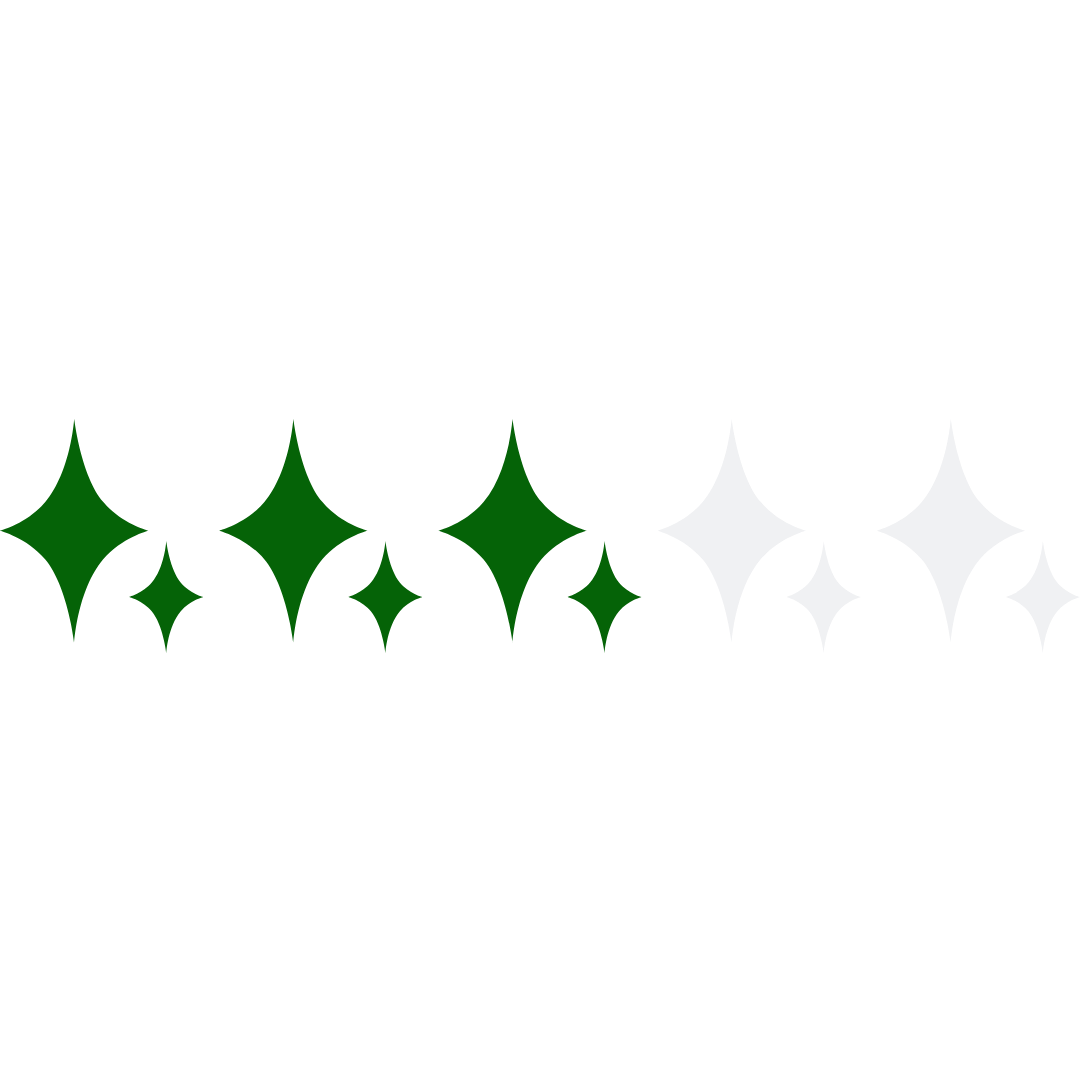
This book was energizing and encouraging, but also heavy in the best way. I loved the ideas, and at the same time, I didn’t want to rush through it. I wanted to pause, practice, and integrate what I was learning as I went, which made it feel more intentional than purely joyful.

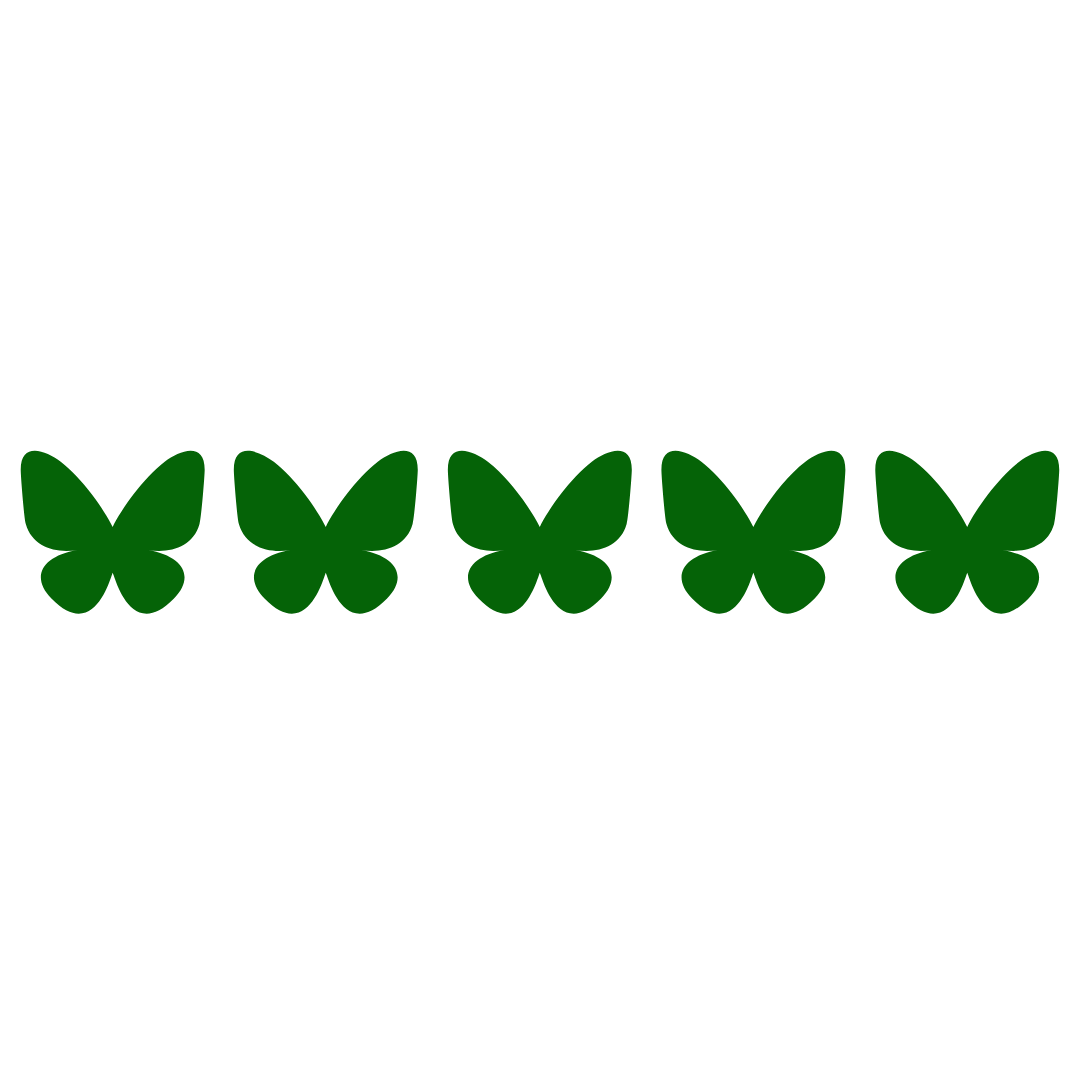
This was deeply transformative for me. It helped me release a long-held belief about my memory and replace it with confidence rooted in lived experience. That shift alone has changed how I approach learning, leadership, and self-trust.

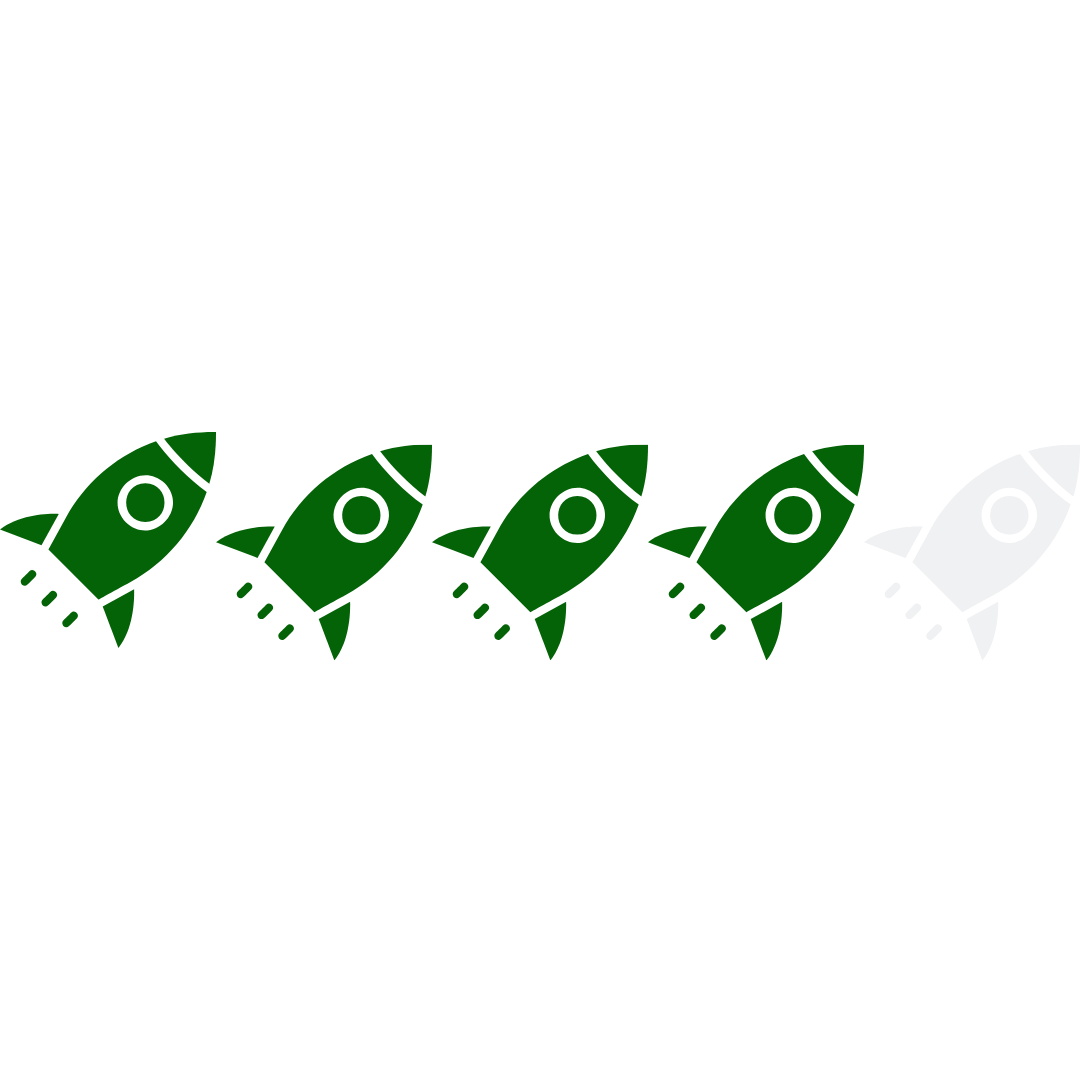
The tools are practical, clear, and flexible. You don’t need to implement everything to feel a difference. Starting with just one or two methods creates noticeable results and builds momentum quickly.
Mic Drop Moment:
“The only limits are the ones we set for ourselves.”
– Jim Kwik
Notes, Nudges & Nuggets:
✔ A lapse in memory is feedback, not failure.
✔ Visual images dramatically increase recall.
✔ Learning sticks better when emotion and curiosity are involved.
✔ Small practices, repeated consistently, rebuild confidence.
✔ Caring for your brain changes how capable you feel everywhere else in life.
If you’re thinking about picking up this book—or doing any Amazon shopping—clicking through my link helps support future reviews at no extra cost to you. Thank you so much for your support!
Final Reflection:
You are not broken. You are not behind. And you are far more capable than you may have been taught to believe.
_________________________
When we replace self-judgment with curiosity and pair belief with practical tools, capacity expands, often faster than we expect.
_________________________
What might change if you stopped questioning whether you’re capable and started exploring how you learn best?
Want to keep discovering books that have the power to change how we live, lead, and love?
If you'd like to keep growing alongside me, sign up to get thoughtful personal and business development book reviews delivered straight to your inbox.
Inspired by something here?
I’d love to hear how it connected with your journey—feel free to drop me a note.