
Captivate

This Book Is for You If…
✔ You’ve ever walked into a room and wondered how to connect more confidently
✔ You want to strengthen your leadership presence without becoming someone you’re not
✔ You care deeply about people and want practical tools to make them feel valued
Reading this felt like being handed a playbook for human connection.
The Hidden Science of Influence
Book Review & Reflection by Lindsay Smith, LCSW
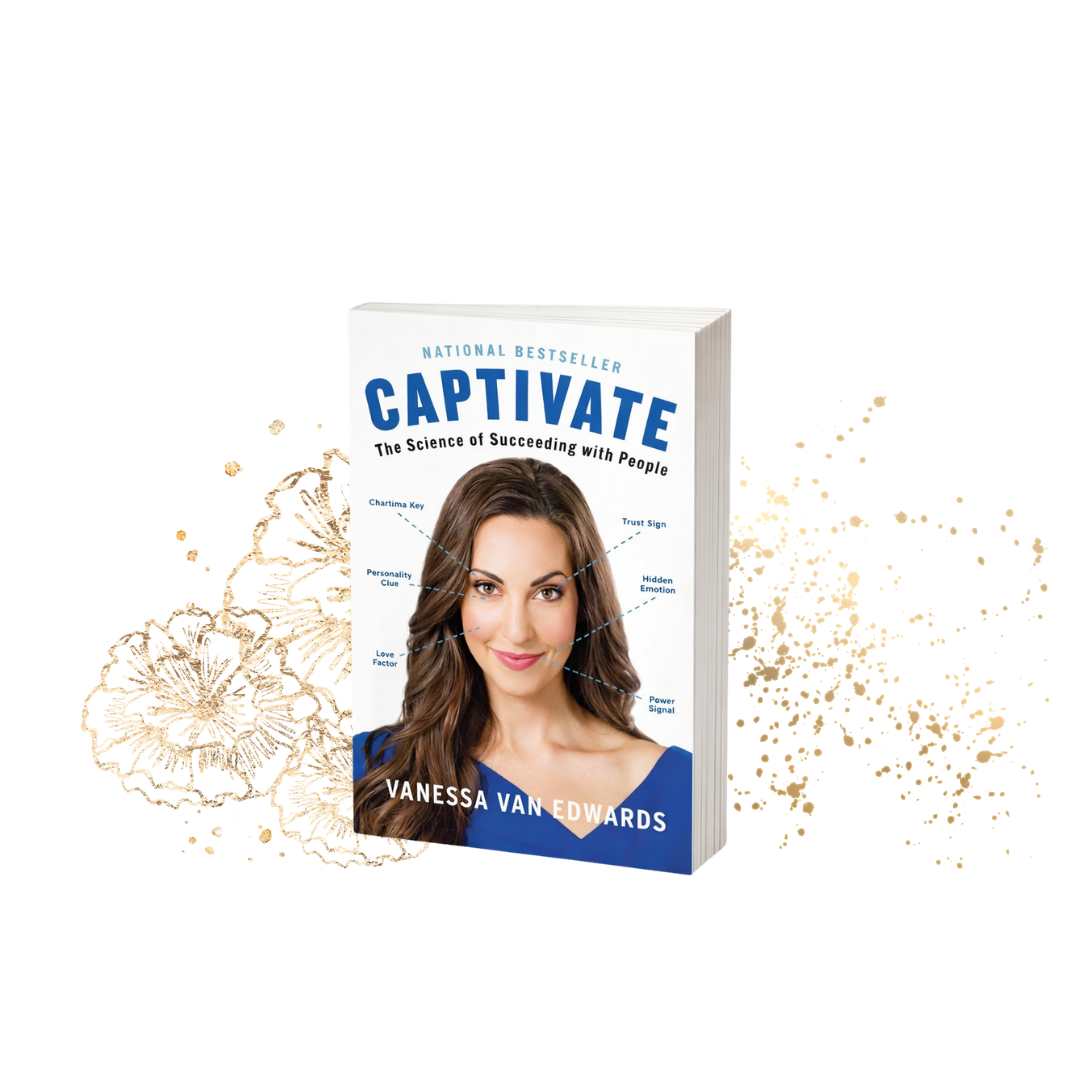
Captivate: The Science of Succeeding with People
by Vanessa Van Edwards
Mood of the Book:
Practical, Confidence-building, Empowering
5 Gems to Fuel Growth…


Go where you thrive, not where you survive.
The shift I needed: We don’t have to socialize the way everyone else does to succeed.
Vanessa challenges the idea that strong social skills mean being great everywhere. Instead, she encourages us to build a social game plan around our strengths. If you thrive one-on-one, lean into that. If large networking events drain you, stop forcing them. Succeeding with people is less about becoming universally magnetic and more about creating interactions that work for you.
As a leader, I often felt like I needed to show up powerfully in every room. Large staff gatherings. Networking events. Huge conferences. But the truth? I’m at my best in deeper conversations. When I shifted toward depth over volume, my leadership felt more aligned. I stopped trying to “work the room” and instead focused on creating connections with just a few people.
There is freedom in realizing we can stop performing and start designing. Social confidence grows when we operate from our strengths instead of fighting our wiring.

Find threads of similarity.
The shift I needed: Connection deepens when we look for “me too” instead of “not me.”
We’re wired to feel closer to people who share something with us. Similarity builds trust. Instead of focusing on differences, Vanessa encourages us to hunt for common ground and follow those threads.
In leadership, this matters more than we realize.
When someone on my team frustrated me, my brain would automatically identify what made us different. Different work style. Different urgency. Different values. But what if I paused and looked for shared motivations instead? Shared desire to serve. Shared care for clients. Shared goals.
When we lead from commonality instead of contrast, we become less defensive.
This doesn’t mean ignoring differences. It means leading with connection first. When people feel similar to us, they feel safer with us. And safety unlocks collaboration.

Be a highlighter.
The shift I needed: “Stop trying to impress people. Let them impress you.”
This was my favorite concept in the book.
Vanessa teaches that one of the most powerful ways to connect is to assign positive labels. Call out strengths. Celebrate effort. Highlight dedication. When we tell someone, “You’re so thoughtful,” or “They’re lucky to have you,” we’re not just complimenting them, we’re shaping how they see themselves.
Psychology shows that people tend to live into the labels they’re given. That is powerful.
As a business owner, I often focused on correcting what wasn’t working. But imagine the shift if we consistently searched for what was working. If we became known as leaders who hand out emotional gold stars.
This feels deeply aligned with who I want to be. Not naive. Not ignoring reality. But actively choosing to spotlight strengths. And I love that I can implement this immediately—in meetings, in friendships, in coaching.
Being a highlighter costs nothing. And it might change everything.

Ownership creates motivation.
The shift I needed: The fastest way to influence someone is to make them feel seen.
No matter how different we are in personality or motivation, we share a basic human need to feel seen, known, and appreciated.
Vanessa calls this attunement—the ability to tune into what others are thinking and feeling. The most likable people are not the loudest or funniest. They are the most attentive.
As a therapist and coach, I pride myself on attunement. But in busier leadership seasons, I sometimes moved too quickly, prioritizing efficiency over connection or outcome over understanding.
This book reminded me that curiosity is influence. When we ask thoughtful questions. When we name emotions. When we say, “Help me understand what you’re feeling.” We lower fear and increase trust.
People may forget our strategies, but they rarely forget how we made them feel.

Ownership creates motivation.
The shift I needed: People are more committed to what they help create.
Leadership is less about directing every outcome and more about inviting people to care about the outcome with you. When people have ownership, they care more. They try harder. They stay longer.
In my businesses, for years I felt responsible for everything. I used to believe that strong leadership meant overseeing every detail. But micromanaging drains a team. When people feel like implementers instead of contributors, their energy drops.
I love Vanessa’s suggestion to ask people to step forward based on their strengths instead of assigning tasks automatically.
When someone says, “I’m good at that,” and you respond with trust, they rise.
The more power we give away, the more collective strength we build.
Leadership is not about being indispensable. It is about making others feel capable.
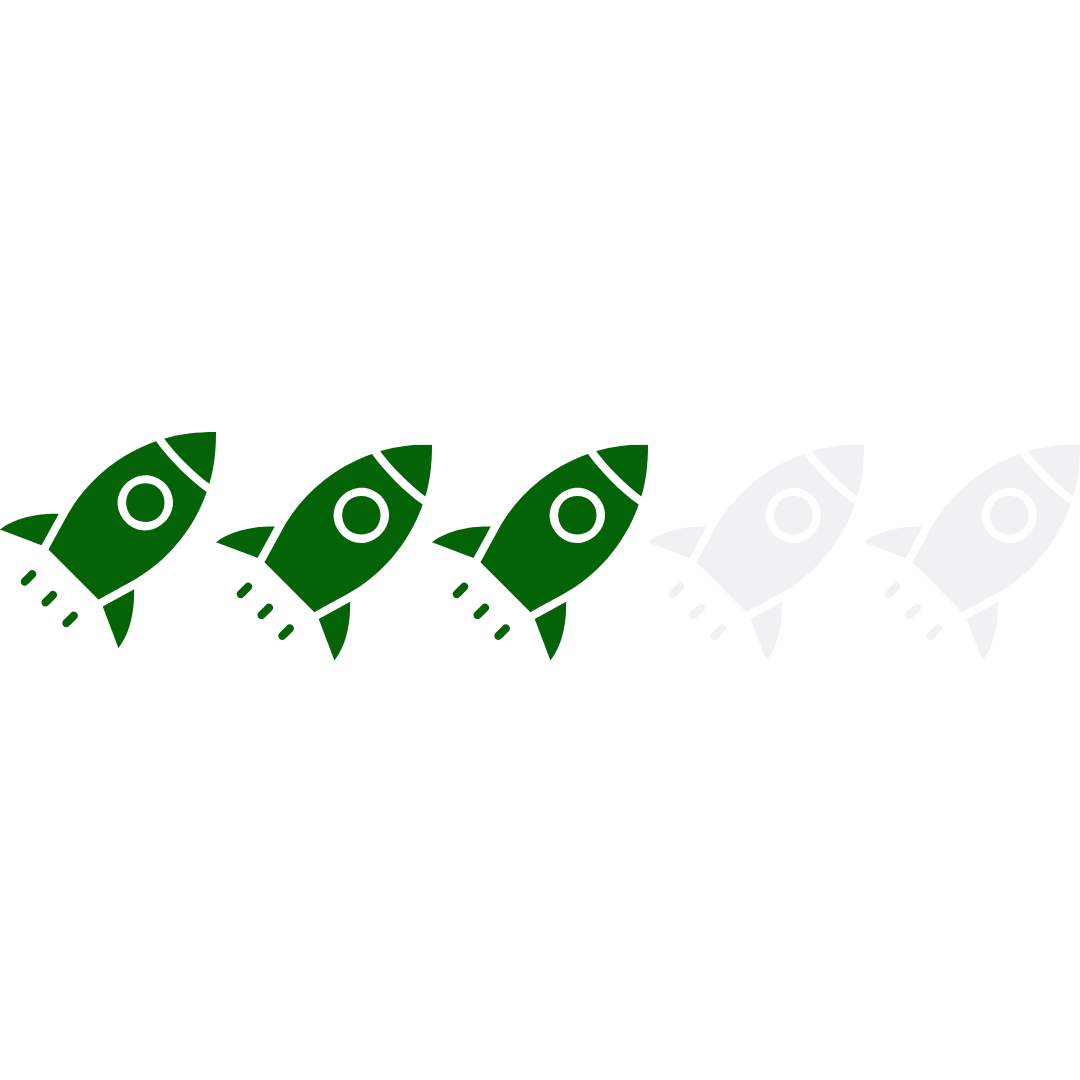
My 3 Core Ratings (1-5)


After loving Vanessa’s book Cues, I immediately picked up this one, and it did not disappoint. She blends research, practical tools, and real-life examples in a way that makes learning feel energizing and fun. I found myself both highlighting insights and smiling at the way she brings social dynamics to life.


It shifted how I think about leadership presence and influence. Especially around highlighting strengths and being more intentional with first impressions.

The tools are clear, but implementing them takes awareness and repetition. For me, this is a practice book. It will require intentional effort to fully embody.
Mic Drop Moment:
“The best conversations aren’t about what you say,
they are about what you hear.”
– Vanessa Van Edwards
Notes, Nudges & Nuggets:
✔ Ask better opening questions. “What was the highlight of your day?” creates more connection than “What do you do?”
✔ Use the word “because” when making a request. People are more motivated when they understand purpose.
✔ Experiment with sharing one small vulnerability. Ask for advice you genuinely want. It builds connection faster than polished perfection.
If you’re thinking about picking up this book—or doing any Amazon shopping—clicking through my link helps support future reviews at no extra cost to you. Thank you so much for your support!
Final Reflection:
Connection is not magic. It is attention, intention, and practice.
_________________________
How might your relationships shift if you made it your daily goal to help the people around you feel deeply valued?
Want to keep discovering books that have the power to change how we live, lead, and love?
If you'd like to keep growing alongside me, sign up to get thoughtful personal and business development book reviews delivered straight to your inbox.
Inspired by something here?
I’d love to hear how it connected with your journey - feel free to drop me a note.